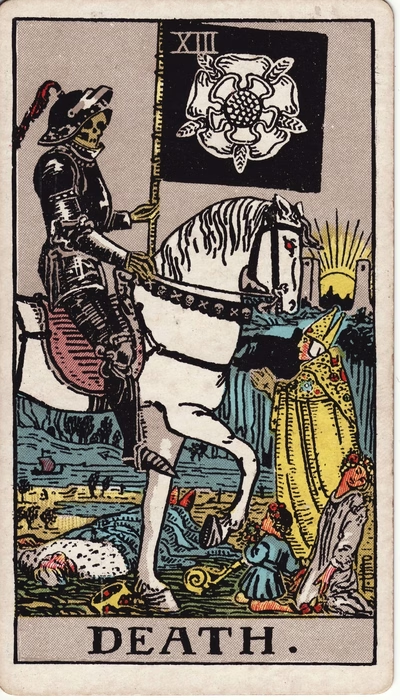
Death
The Death card, often misunderstood, symbolizes profound transformation and the end of one phase to make way for another. It represents necessary endings that lead to new beginnings, highlighting the importance of transition in our lives. In the Fool's Journey, Death marks a pivotal moment of realization and acceptance of life’s cyclical nature. When drawn upright, this card indicates a significant change, urging you to embrace the process of letting go. The transition may be uncomfortable, yet it paves the way for growth and renewal. Common misconceptions include associating Death solely with physical demise, overlooking its broader implications of transformation and rebirth. For those new to tarot, it's essential to understand that this card invites reflection on personal evolution and the cycles of life.
Upright Keywords
Reversed Keywords
Understanding the Death Card in Tarot
The Death card, represented by the number 13 in the Major Arcana, is one of the most intriguing and often misinterpreted cards in tarot. Its imagery and symbolism may evoke fear, but at its core, it signifies transformation, endings, and new beginnings. In the context of the Fool's Journey, Death marks a crucial turning point that emphasizes the need for acceptance of life's cyclical nature.
Core Meaning
The primary essence of the Death card revolves around the themes of endings and transformation. It signifies the conclusion of one phase of life, making way for new opportunities and growth. This card encourages individuals to embrace change, even when it feels uncomfortable or daunting.
Symbolism
The imagery associated with the Death card often features a skeletal figure, symbolizing the inevitability of death and the cycle of life. The presence of various elements, such as a rising sun, flowers, or figures in the background, represents rebirth, hope, and the promise of new beginnings. The juxtaposition of death and life serves as a reminder that endings are not to be feared, but rather seen as necessary for personal evolution.
The Fool's Journey Position
In the narrative of the Fool's Journey, Death represents a significant shift in consciousness. It is the moment when the Fool realizes that to grow and evolve, he must let go of the past. This card teaches the importance of surrendering to the natural flow of life and accepting change as an integral part of the journey.
Upright Meaning
When drawn upright, the Death card embodies themes of endings, transformation, change, and transition. It often indicates a time of significant change in one’s life, whether it be the end of a relationship, a job, or a way of thinking. While such endings can be challenging, they are often necessary for personal growth and new beginnings. This card encourages individuals to reflect on what must be released to make room for new possibilities.
How it Appears in Readings
In tarot readings, the Death card can manifest in various contexts. It may emerge during times of transition, signaling that an old chapter is closing. Clients may interpret its presence as a sign to let go of outdated beliefs, relationships, or situations that no longer serve them. It is crucial to approach this card with an open mind, recognizing its potential for positive change rather than viewing it solely as a harbinger of doom.
Common Misconceptions
One of the most prevalent misconceptions surrounding the Death card is the belief that it indicates physical death. While it can symbolize the end of life in certain contexts, its primary focus is on transformation and the cyclical nature of existence. The card encourages introspection and personal evolution, emphasizing that endings often lead to new and rewarding beginnings. It’s vital for beginners to understand that the Death card is not meant to instill fear, but rather to inspire growth and acceptance of life’s changes.
Frequently Asked Questions
- What does the Death card mean in a reading? The Death card signifies transformation, endings, and new beginnings. It encourages acceptance of change and letting go of what no longer serves you.
- Is the Death card always negative? No, the Death card is not inherently negative. It represents necessary change and the opportunity for personal growth and renewal.
- How can I interpret the Death card in my life? Consider what aspects of your life may need to end or change. Reflect on how these endings can create space for new opportunities and growth.