The Devil
The Devil card, often misunderstood, embodies themes of attachment, addiction, and the shadow self. It represents the restrictions we impose on ourselves and the temptations we face. In the context of the Fool's Journey, The Devil signifies a critical confrontation with our inner demons, urging us to break free from unhealthy patterns and illusions. When upright, it calls attention to areas of our lives where we may feel trapped or enslaved by our desires. In readings, The Devil can illuminate the need for self-awareness and liberation. Despite its ominous imagery, it ultimately offers a path to empowerment through recognition and acceptance of our darker aspects. Understanding this card can lead to profound personal growth and healing.
Upright Keywords
Reversed Keywords
The Devil Tarot Card
The Devil is one of the most intriguing and complex cards in the Tarot deck. Often misunderstood, it carries deep meanings that revolve around themes of attachment, addiction, and the shadow self. This card encourages self-reflection and examination of our inner demons.
Core Meaning
At its core, The Devil represents the restrictions we impose on ourselves and the temptations we face. It is a reminder of the duality of human nature, illustrating how we can be both creators of our reality and prisoners of our desires.
Symbolism
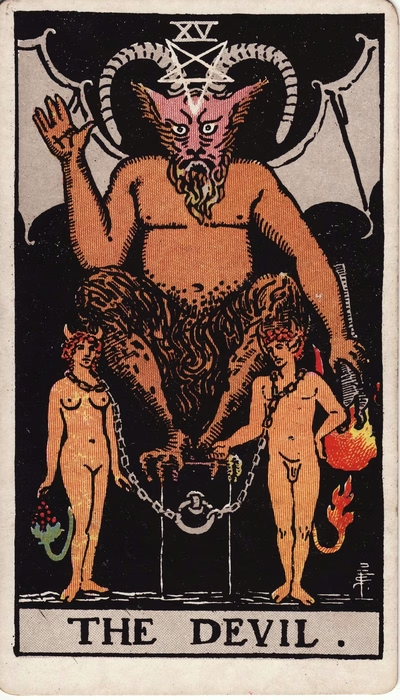
The imagery on The Devil card often includes dark and oppressive figures chained or bound, symbolizing entrapment and the bondage of material desires. The presence of the goat, which is a symbol of lust and indulgence, further emphasizes the themes of temptation and excess. The flames surrounding the figures signify the intense passions and desires that can lead to one's downfall.
The Fool's Journey Position
In the context of the Fool's Journey, The Devil represents a critical confrontation with our inner demons. The Fool, representing innocence and potential, encounters The Devil to face the challenges posed by addiction, fear, and restriction. This encounter serves as a pivotal moment in the journey, urging the Fool to break free from unhealthy patterns and illusions.
Upright Meaning
When The Devil appears upright in a reading, it highlights issues related to shadow self, attachment, addiction, and restriction. It often indicates that the querent may be feeling trapped in a situation or relationship that is unhealthy or unfulfilling. The card encourages confronting these challenges, recognizing the patterns of behavior that contribute to feelings of bondage. It serves as a call to reclaim personal power and break free from the chains of self-imposed limitations.
How It Appears in Readings
The Devil can manifest in various ways during readings. It may appear when the querent is struggling with addiction, whether it be substance abuse, unhealthy relationships, or compulsive behaviors. Additionally, it can signify the presence of fear and doubt that restricts growth and progress. It prompts the querent to evaluate their attachments and consider what truly serves their highest good.
Common Misconceptions
Many people view The Devil card as purely negative or evil, but this is a misconception. While it does highlight dark aspects of the self, it also offers the potential for transformation and liberation. The Devil urges us to face our fears and recognize that we have the power to change our circumstances. It is not a card of damnation but rather an invitation to acknowledge and integrate the shadow self.
FAQs
- What does The Devil card mean in a love reading?
In a love reading, The Devil may indicate obsessive attachment or unhealthy dynamics in a relationship. It prompts the querent to assess their emotional ties and whether they are fostering growth or dependency.
- How can I work with the energy of The Devil card?
To work with The Devil's energy, engage in self-reflection and confront your fears or addictions. Consider seeking support if needed, and focus on empowering yourself to break free from limiting beliefs.
- Is The Devil card always negative?
No, The Devil card is not inherently negative. It serves as a catalyst for change and self-awareness, inviting you to confront and transform your limitations into strengths.